
01
Parkinson's disease
A progressive loss of dopamine-producing neurons deep in the midbrain, driving tremor, rigidity and slowed movement — alongside non-motor symptoms affecting sleep, mood and the gut.
Regenesys EDU · Neuro Research Initiative
A new research and education endeavor exploring how human cell and tissue products (HCT/Ps) and biologics may work together with advanced supportive therapies for Parkinson's disease, dementia, brain fog and the wider nervous system.
Parkinson's · Dementia · Brain fog · Neuroinflammation
The challenge
Neurological conditions are now a leading cause of illness and disability worldwide. The need for new thinking — and better data — has never been greater.
0.0B
people worldwide living with a neurological condition
GBD 2021, The Lancet Neurology (2024)
0M
people living with dementia
World Health Organization (2021 data)
~0M
new dementia cases every year
World Health Organization
0.0M+
people living with Parkinson's disease
World Health Organization (2019 data)
What we're exploring
01
A progressive loss of dopamine-producing neurons deep in the midbrain, driving tremor, rigidity and slowed movement — alongside non-motor symptoms affecting sleep, mood and the gut.
02
A gradual loss of neural connections that erodes memory, reasoning and independence. Alzheimer's disease is the most common form.
03
Slowed thinking, poor focus and mental fatigue — increasingly linked to inflammation, oxidative stress and mitochondrial strain affecting how neurons communicate.
Our focus
Across these conditions, researchers keep returning to the same underlying drivers. That's where our work begins.
01
Chronically activated immune cells in the brain create a hostile environment for neurons.
02
Excess reactive oxygen species damage cell membranes, proteins and DNA.
03
Energy-starved neurons lose their ability to signal, repair and survive.
04
As synapses fade, the networks that carry memory, movement and mood weaken.
The biologics
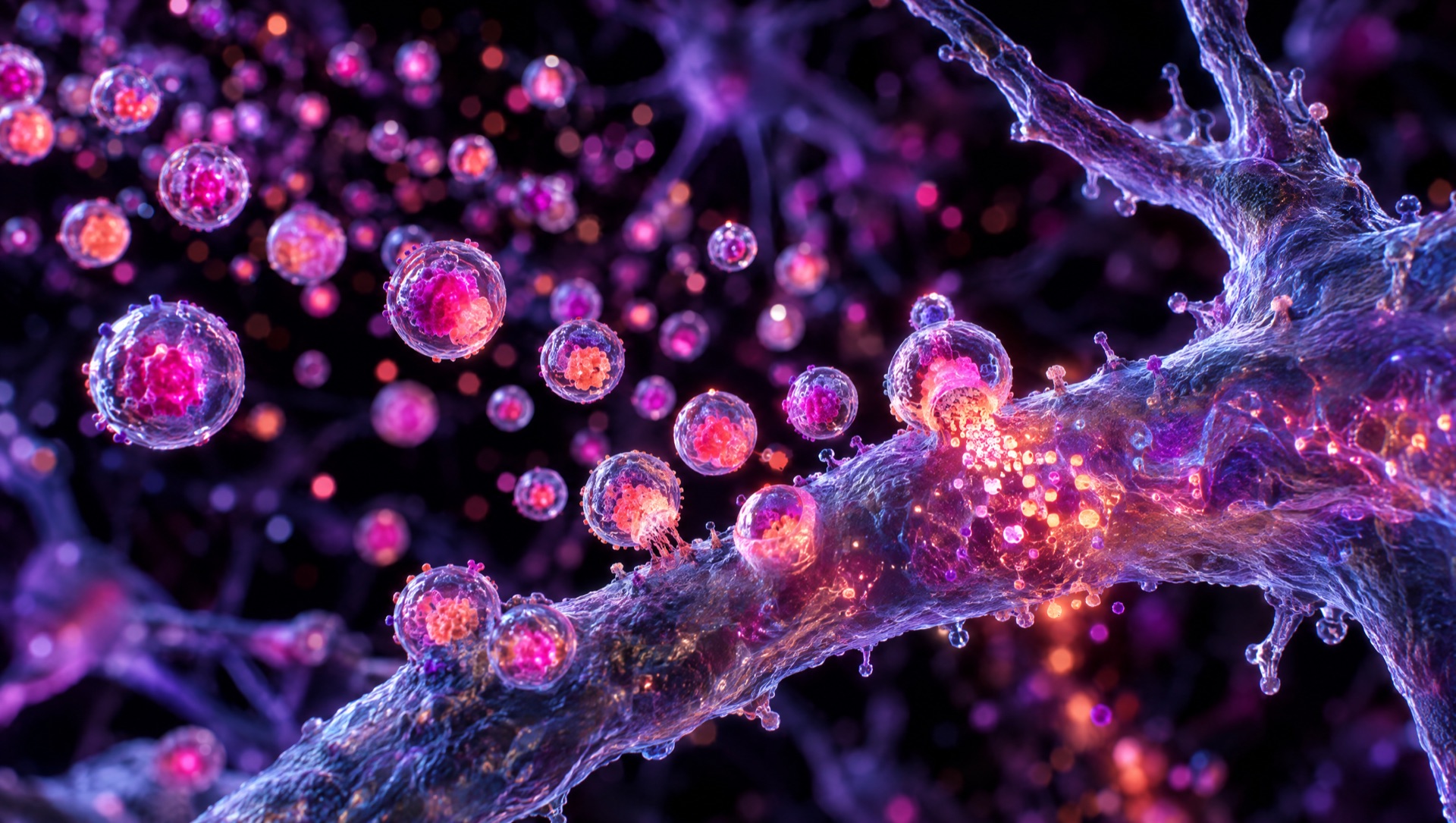
Mesenchymal stem cells and the exosomes they release work largely through signaling. Exosomes are nano-sized vesicles that carry proteins, lipids and microRNAs between cells — messages that, in laboratory and early clinical research, have been associated with calming inflammation and supporting cellular repair.
Neural-differentiated exosomes — derived from cells guided toward a neural lineage — are being explored for their potential relevance to nervous-system tissue.
A direct route
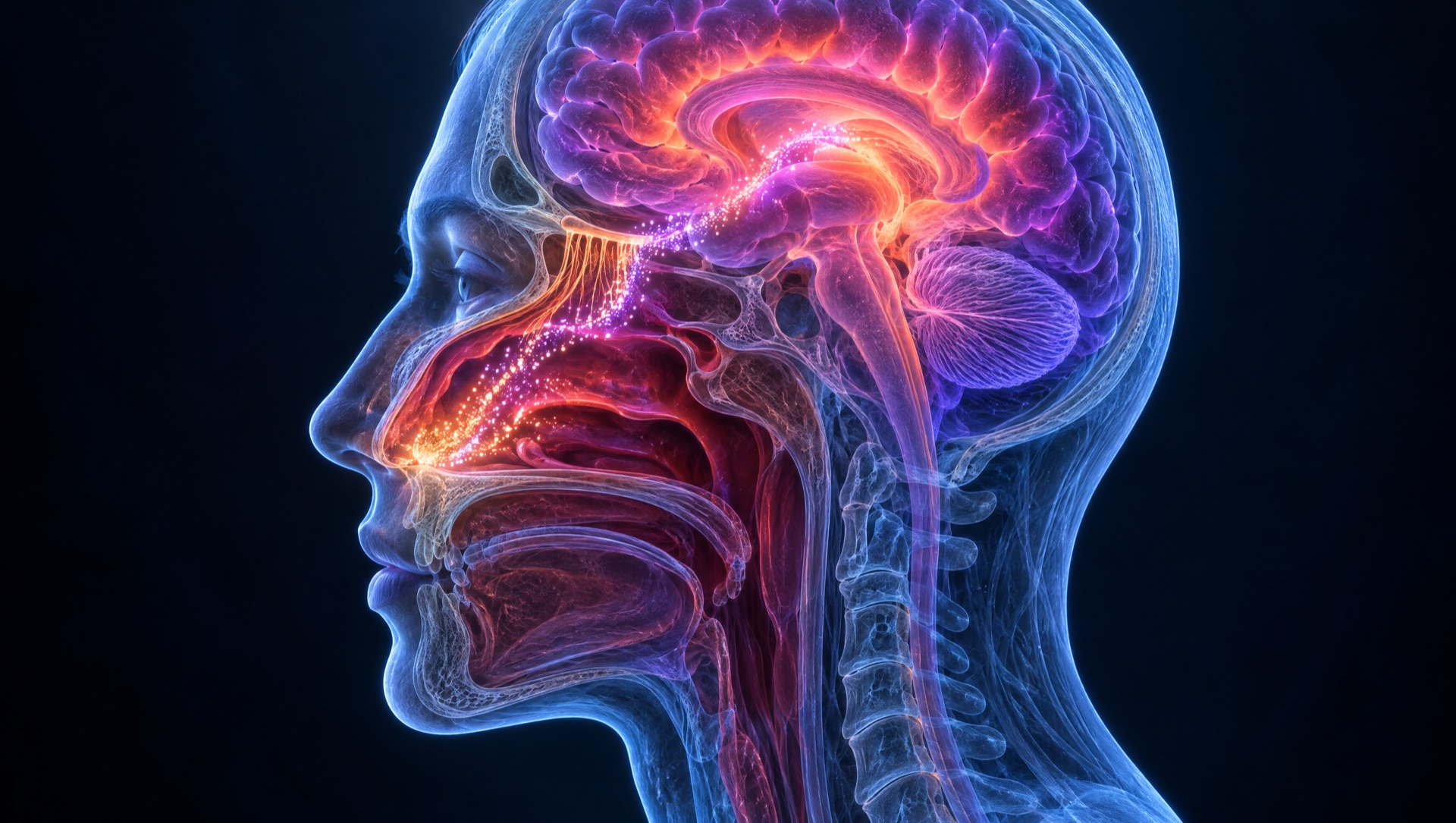
The blood-brain barrier protects the brain — and blocks most therapies from reaching it. Research into intranasal delivery suggests the nasal cavity offers pathways along the olfactory and trigeminal nerves that may bypass much of that barrier.
01 / 04
01 / 04
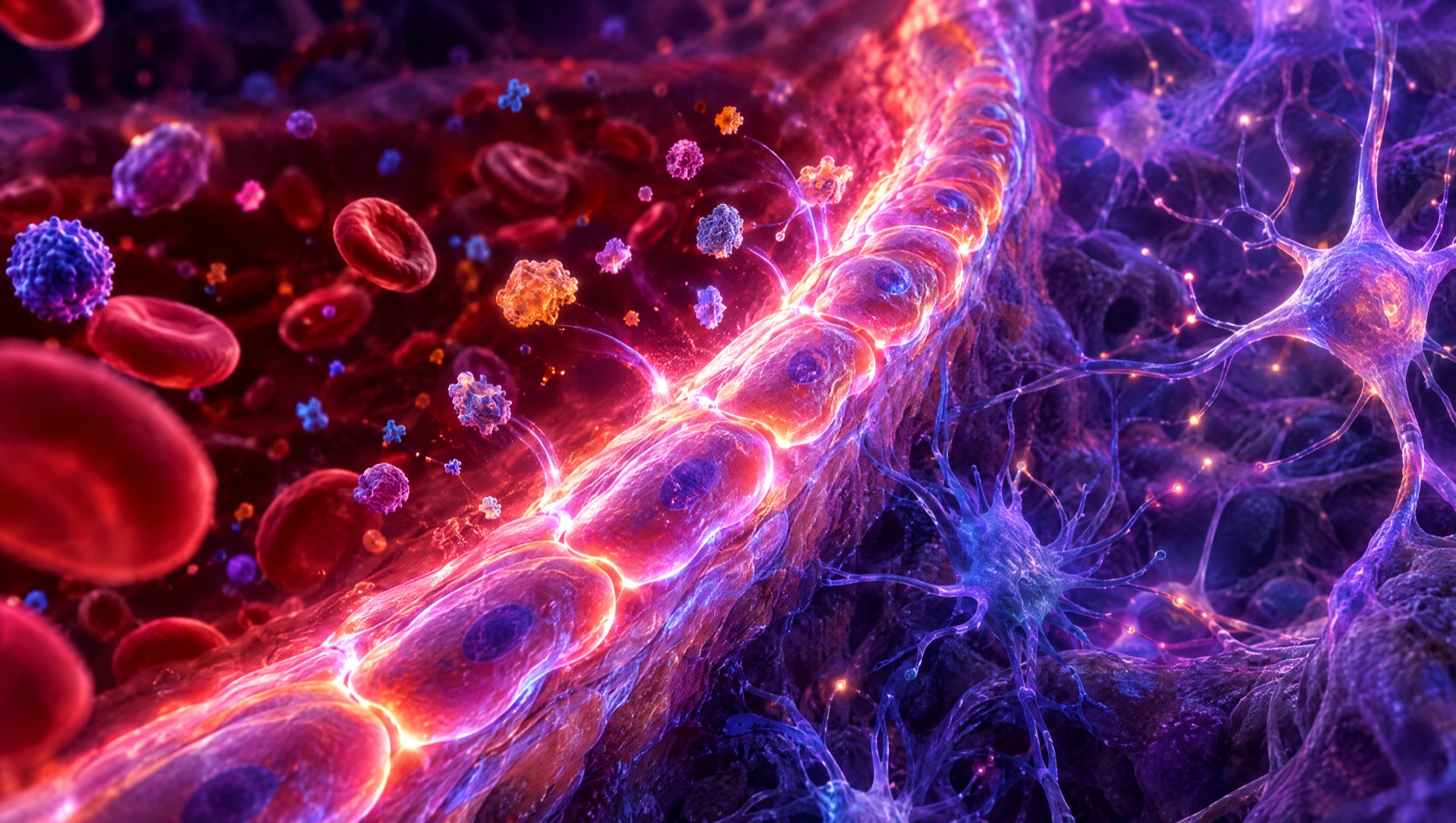
Tightly sealed vessel walls keep most large molecules circulating in the blood out of brain tissue.
02 / 04
A slim, flexible intranasal applicator designed to reach deep into the nasal cavity, toward the region of the sphenopalatine ganglion — a major nerve hub just behind the nose.
03 / 04
Through the SphenoCath, neural-differentiated exosomes are applied directly to the nasal mucosa — positioned along the nose-to-brain pathways being studied.
04 / 04
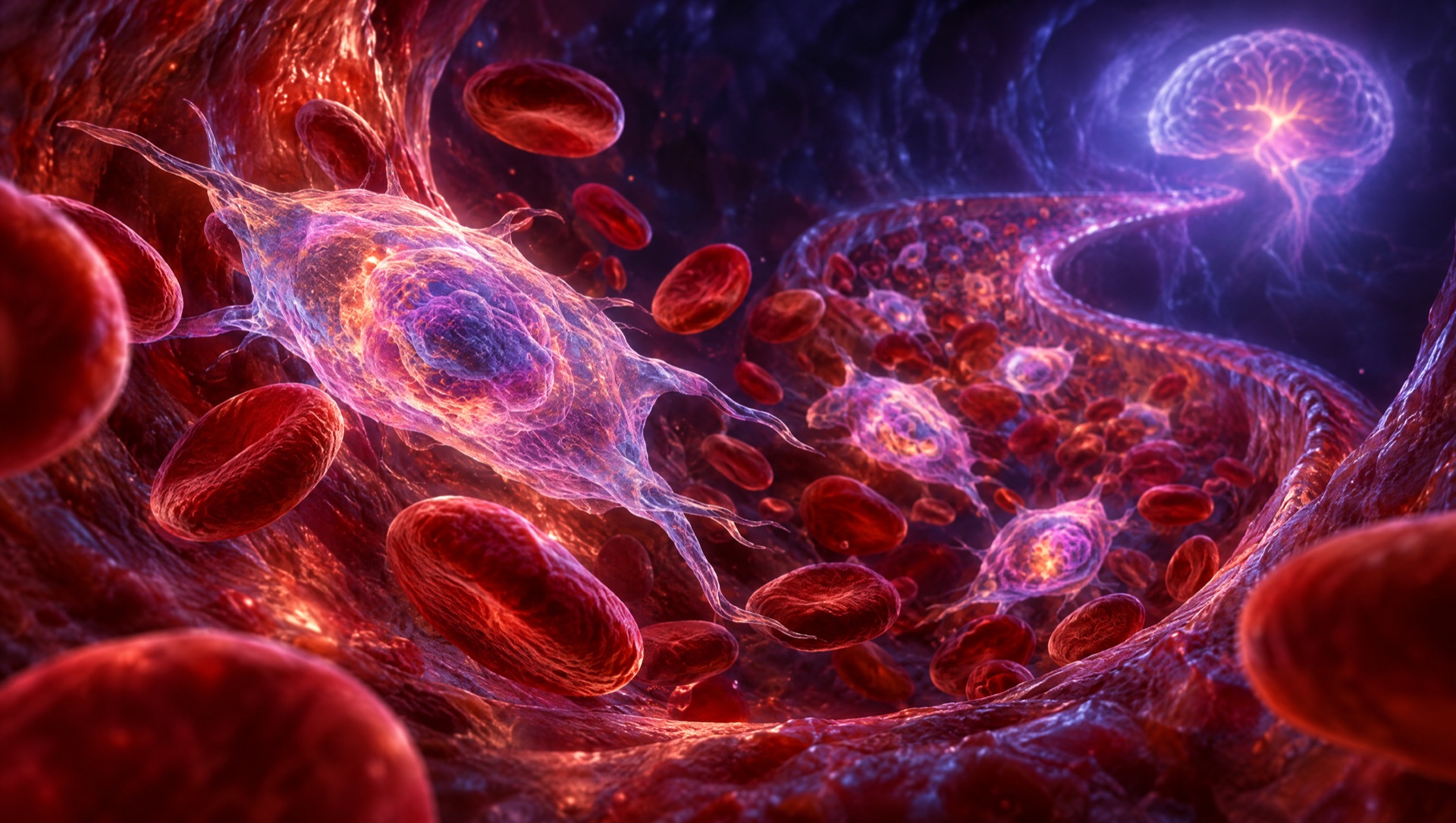
This targeted application is paired with full systemic use of stem cells and exosomes — supporting the whole body while focusing on the brain.
The strategy
Route 01
Stem cells and exosomes delivered systemically circulate throughout the body, addressing whole-body inflammation and the gut–brain–immune axis.
Route 02
Neural-differentiated exosomes applied intranasally via SphenoCath® focus on the nervous system directly.
Combined modalities
No single therapy works in isolation. We're studying how biologics combine with complementary modalities — each targeting a different layer of brain health.

Red and near-infrared light absorbed by mitochondria, studied for its effects on cellular energy production and inflammation.

Low-frequency sound vibration delivered through the body, explored for relaxation, nervous-system regulation and sensory stimulation.
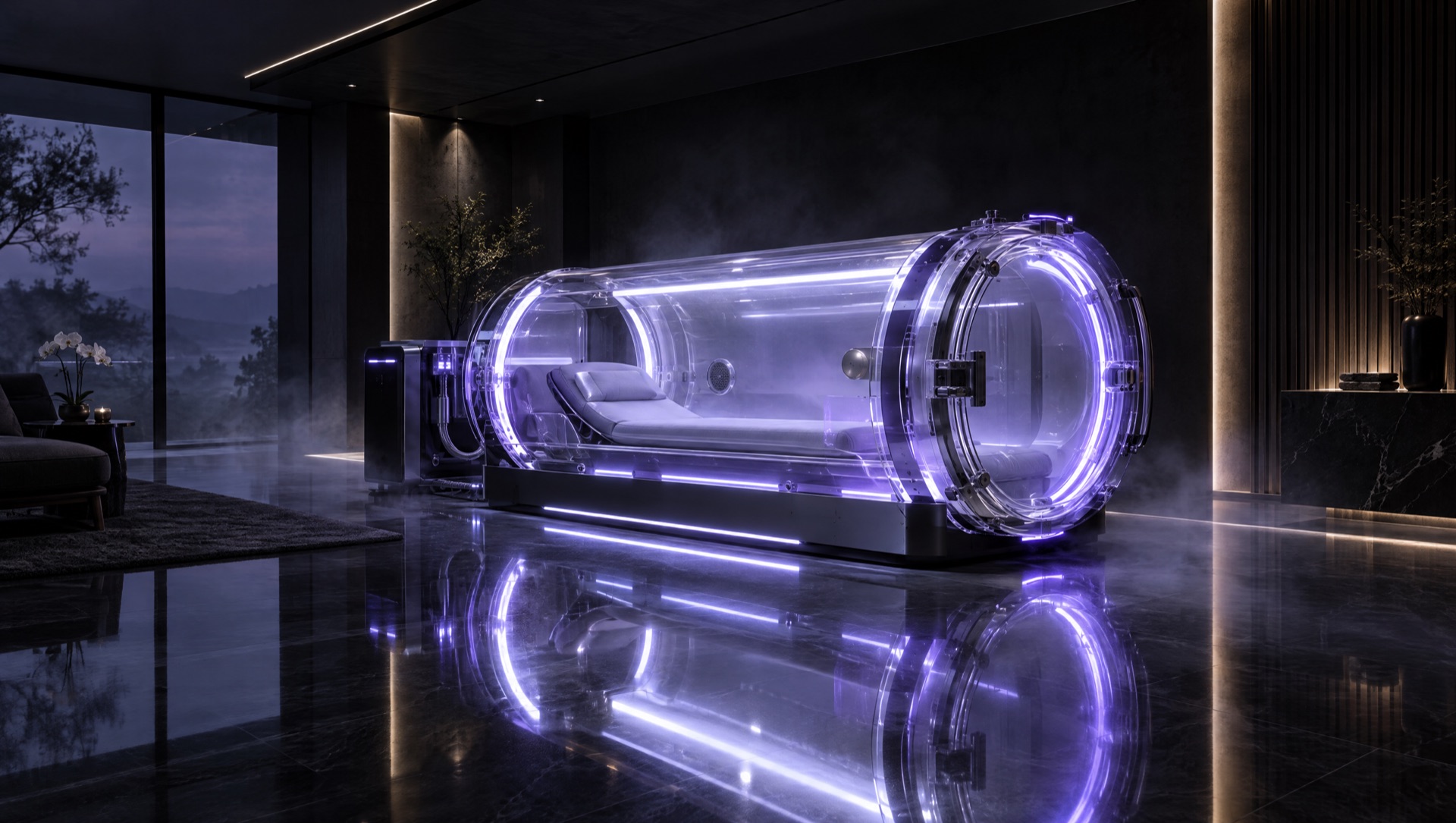
Breathing concentrated oxygen under increased pressure to raise oxygen delivery to tissues, studied for its effects on healing and neuroplasticity.
A selective antioxidant gas inhaled at low concentration. Explore our hydrogen research program →
Nutrition, gut restoration and other supportive therapies — combined under clinical supervision.
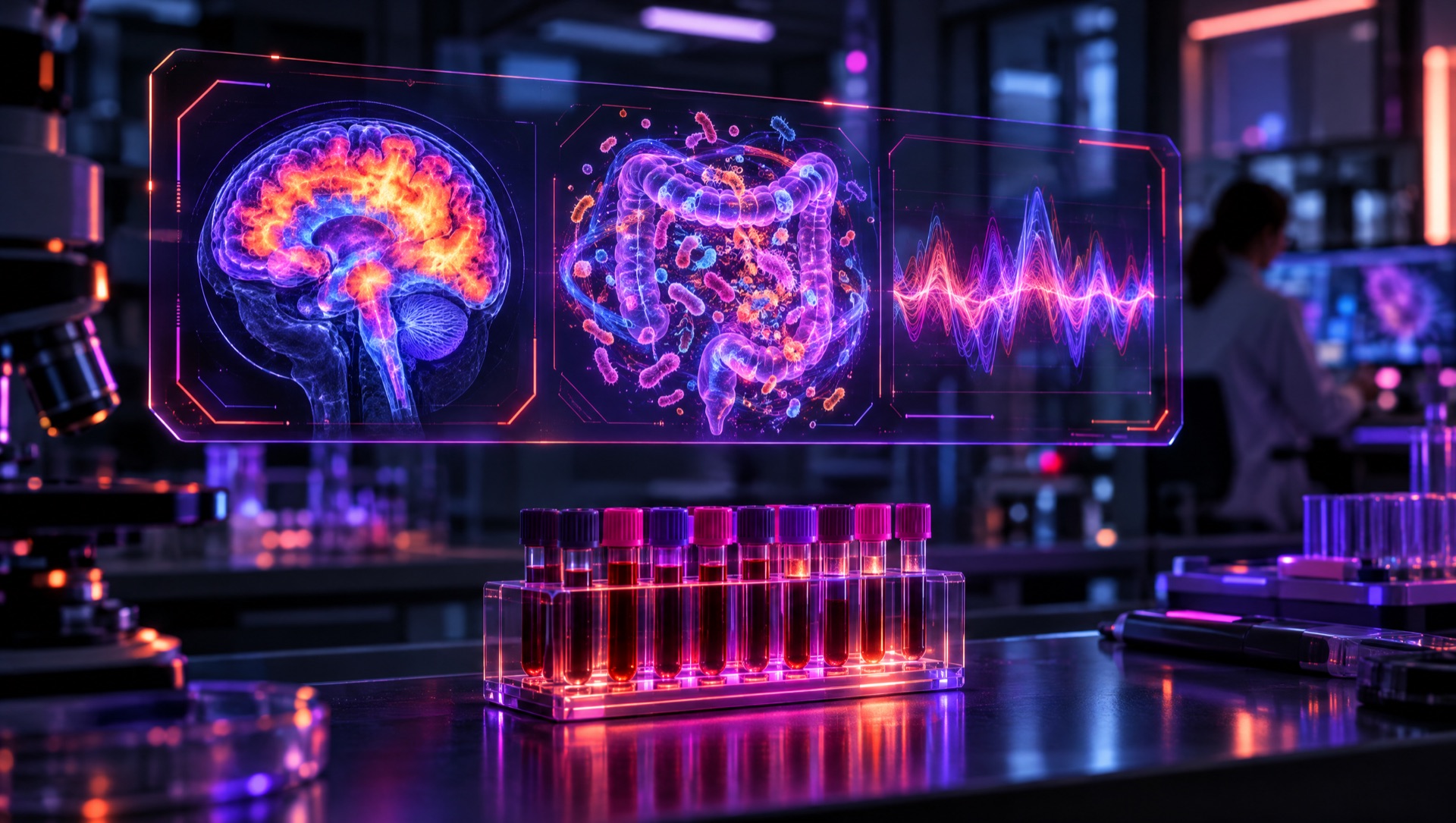
Expanded testing
Every protocol is paired with expanded testing so changes can be tracked objectively — before, during and after.
01
MRI, qEEG brain mapping and functional scans to observe structure and activity.
02
Inflammatory markers, oxidative stress indicators and emerging neuro-biomarkers.
03
Microbiome and gut-health analysis exploring the gut–brain connection.
04
Standardized assessments of memory, movement, mood, sleep and quality of life.

Led by Regenesys
Regenesys is leading this initiative to bring together researchers, physicians, institutions and families to build real-world evidence on how HCT/Ps and biologics work alongside advanced therapies. Our goal is simple: better questions, better data, and shared knowledge.
01
Assemble an advisory network of neurologists, researchers and regenerative-medicine experts.
02
Define protocols, dosing frameworks and testing schedules so results can be compared.
03
Collect structured outcome data through ethical, consent-based observational studies.
04
Publish findings and host education programs for the medical community.
Get involved
Researcher, physician, clinic or institution? Tell us how you'd like to be involved.
Sources