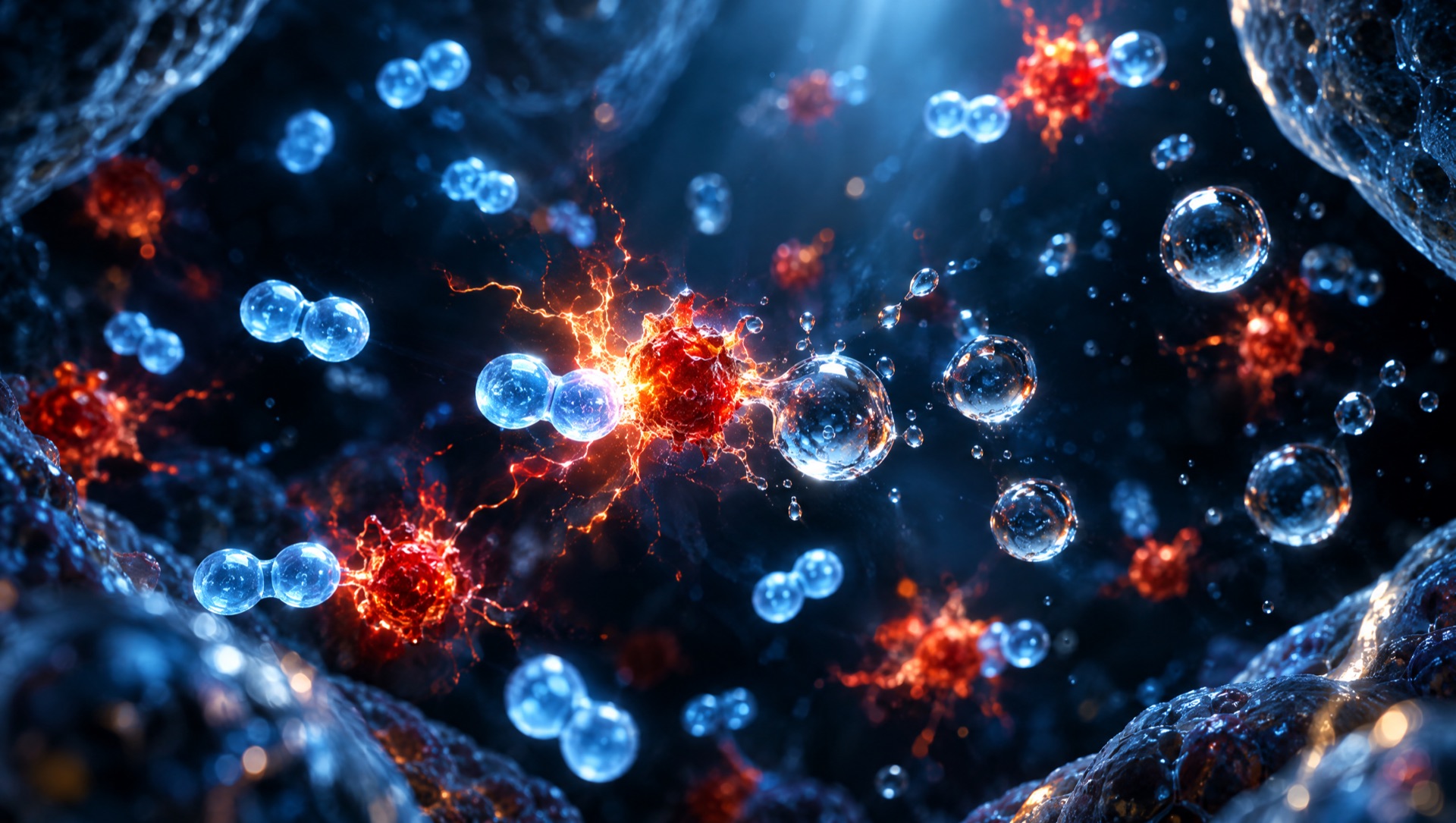
Selective antioxidant
H2 was shown to selectively neutralize the most damaging radicals — the hydroxyl radical (•OH) and peroxynitrite (ONOO⁻) — while leaving the signaling molecules the body needs intact.
Ohsawa et al., Nature Medicine, 2007
Regenesys EDU · Molecular Hydrogen Research
We're exploring how inhaled molecular hydrogen (H2) and human cell & tissue products may work together — calming inflammation, protecting cells and supporting the nervous system.
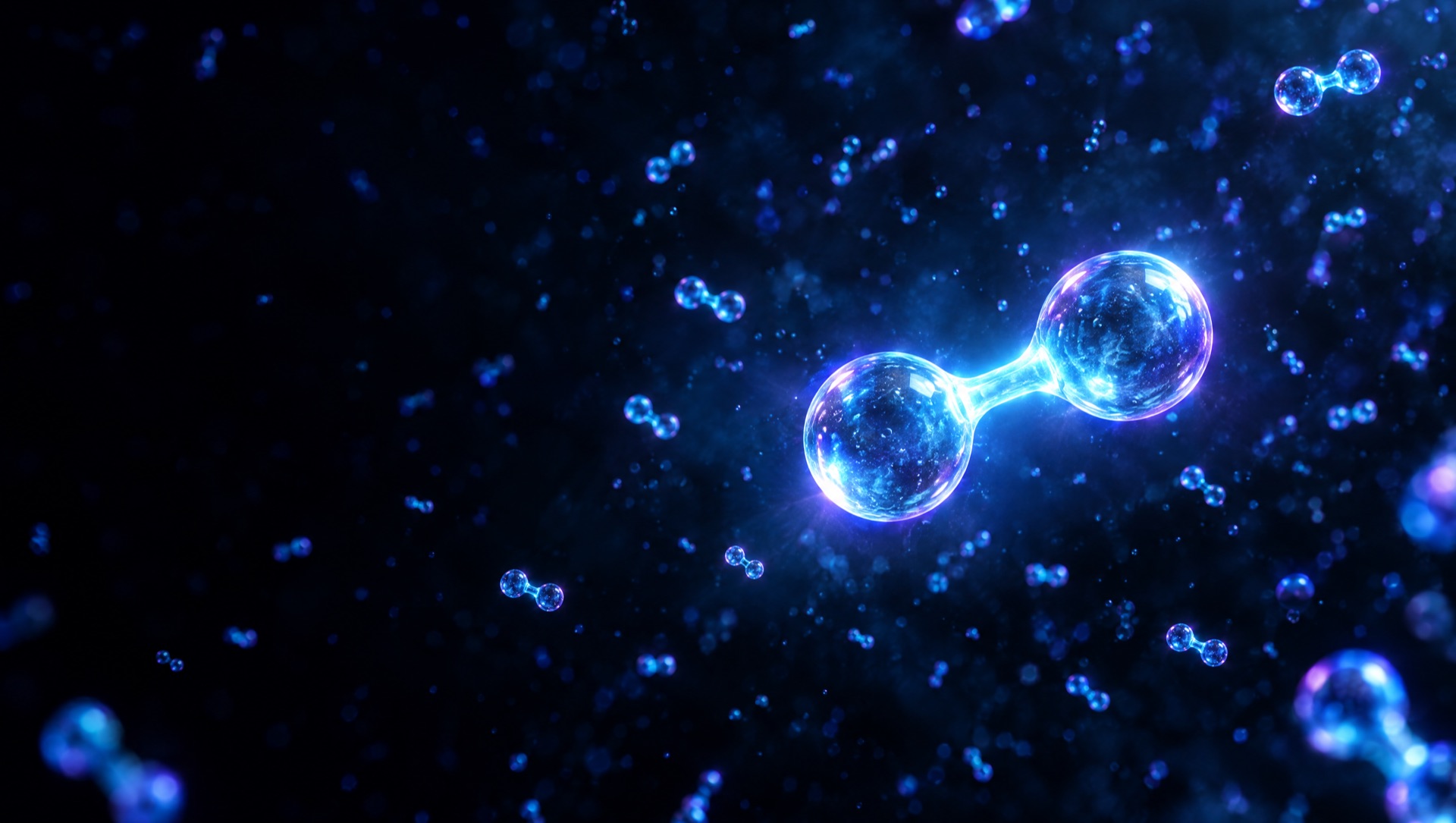
H2 · 2 protons · 2 electrons · 2.016 g/mol
The research base
0+
published studies on hydrogen's therapeutic potential
H2 Research Database, Molecular Hydrogen Institute
0+
countries represented in hydrogen research
Molecular Hydrogen Institute
0
the landmark Nature Medicine study that launched the modern field
Ohsawa et al.
0–4%
H2 concentration range commonly used in inhalation research
Inhalation research
The molecule
Molecular hydrogen is two hydrogen atoms bonded together — the smallest, lightest molecule in the universe. That tiny size lets it diffuse rapidly across cell membranes, into mitochondria and the nucleus, and across the blood-brain barrier.
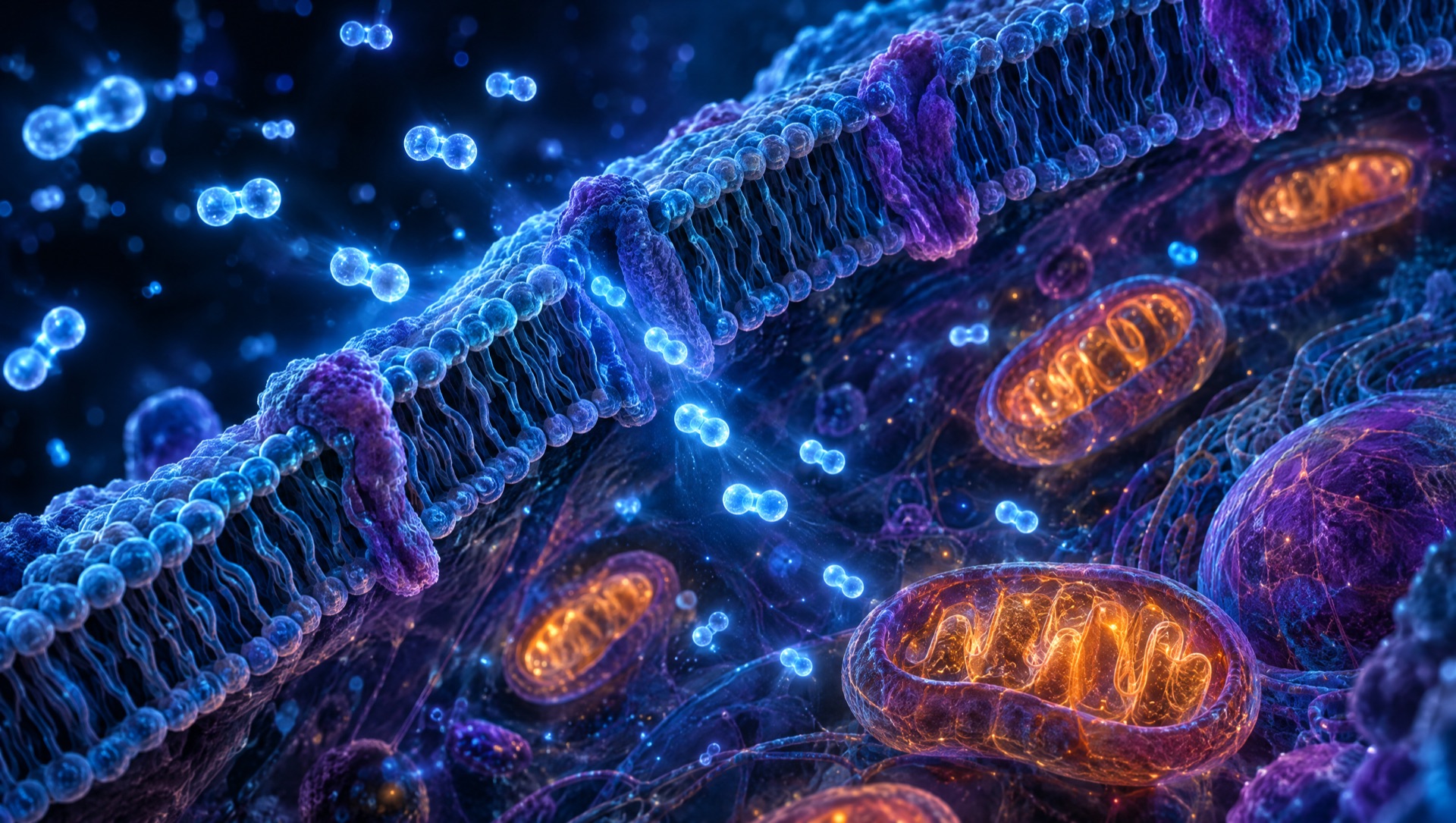
H2 was shown to selectively neutralize the most damaging radicals — the hydroxyl radical (•OH) and peroxynitrite (ONOO⁻) — while leaving the signaling molecules the body needs intact.
Ohsawa et al., Nature Medicine, 2007

Research reports that H2 can lower pro-inflammatory signals and influence protective pathways such as Nrf2 — the cell's master antioxidant switch.
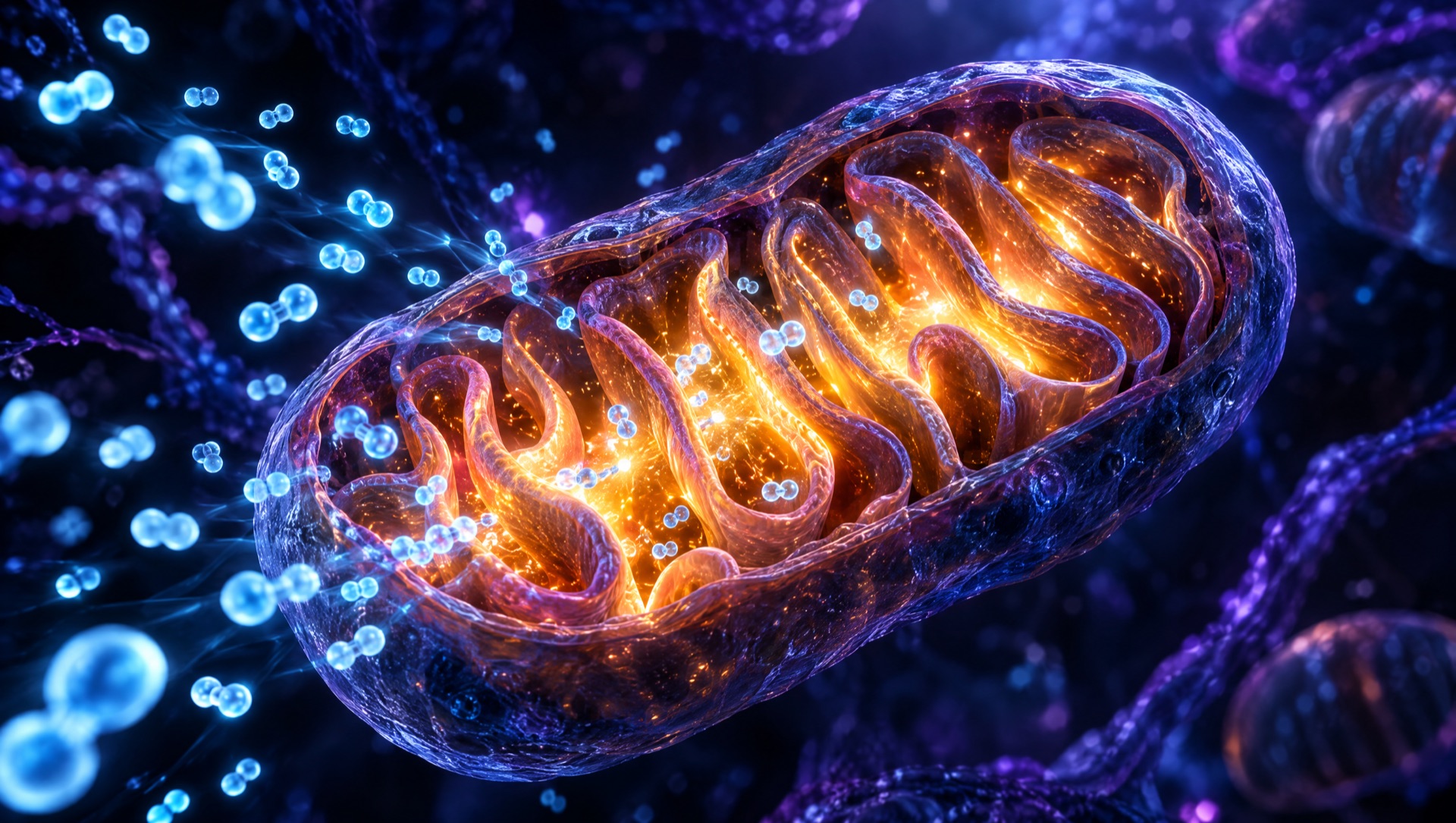
A 2025 study identified a mitochondrial protein — the Rieske iron-sulfur protein — as a primary target of H2, opening new insight into how it works.
Negishi et al., Redox Biology, 2025
How it's delivered

01 / 03
01 / 03
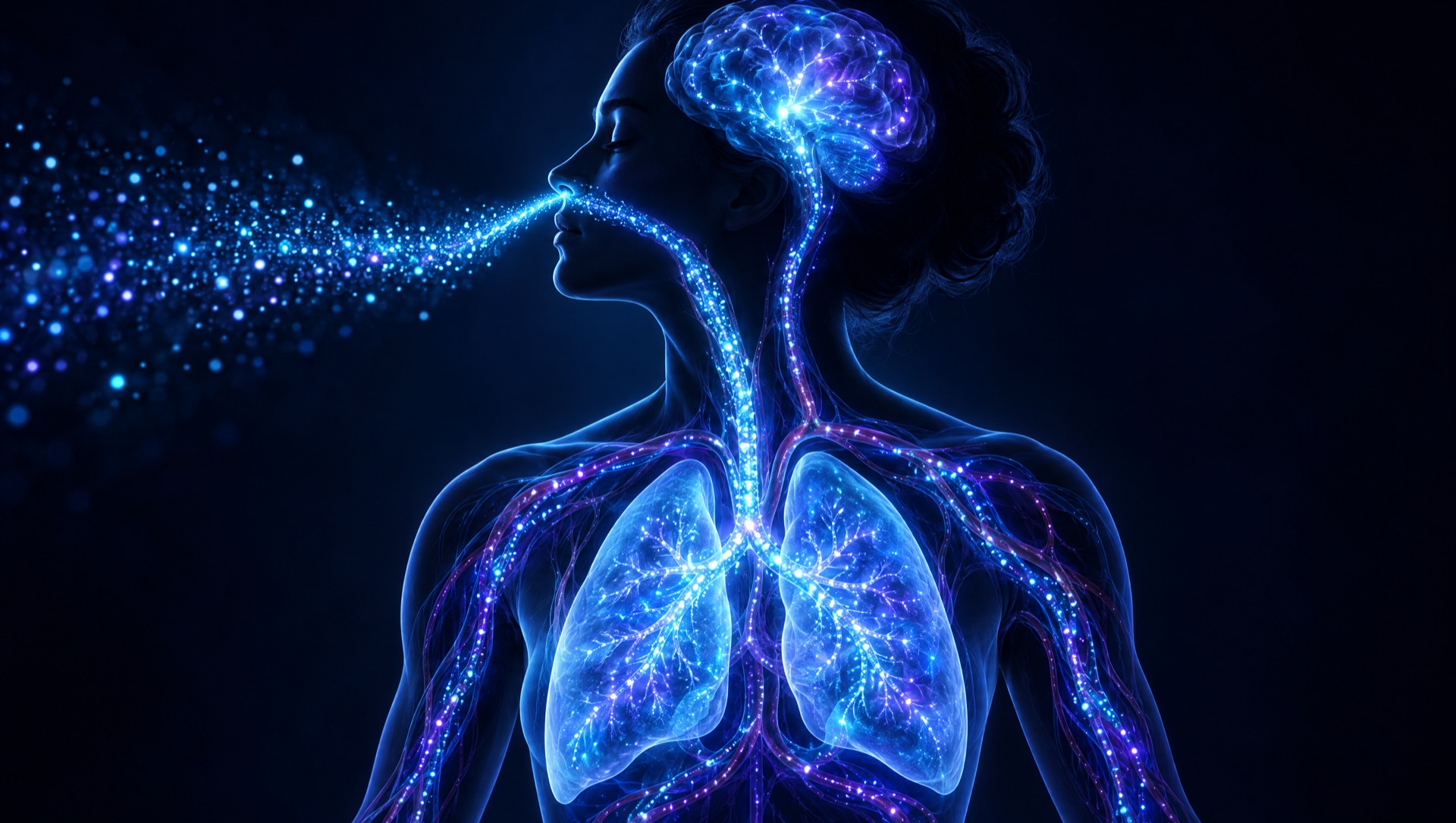
A low concentration of hydrogen gas — typically 1–4% H2 — is breathed in through a nasal cannula. Low-concentration systems keep hydrogen below its ~4% flammability threshold in air.
02 / 03
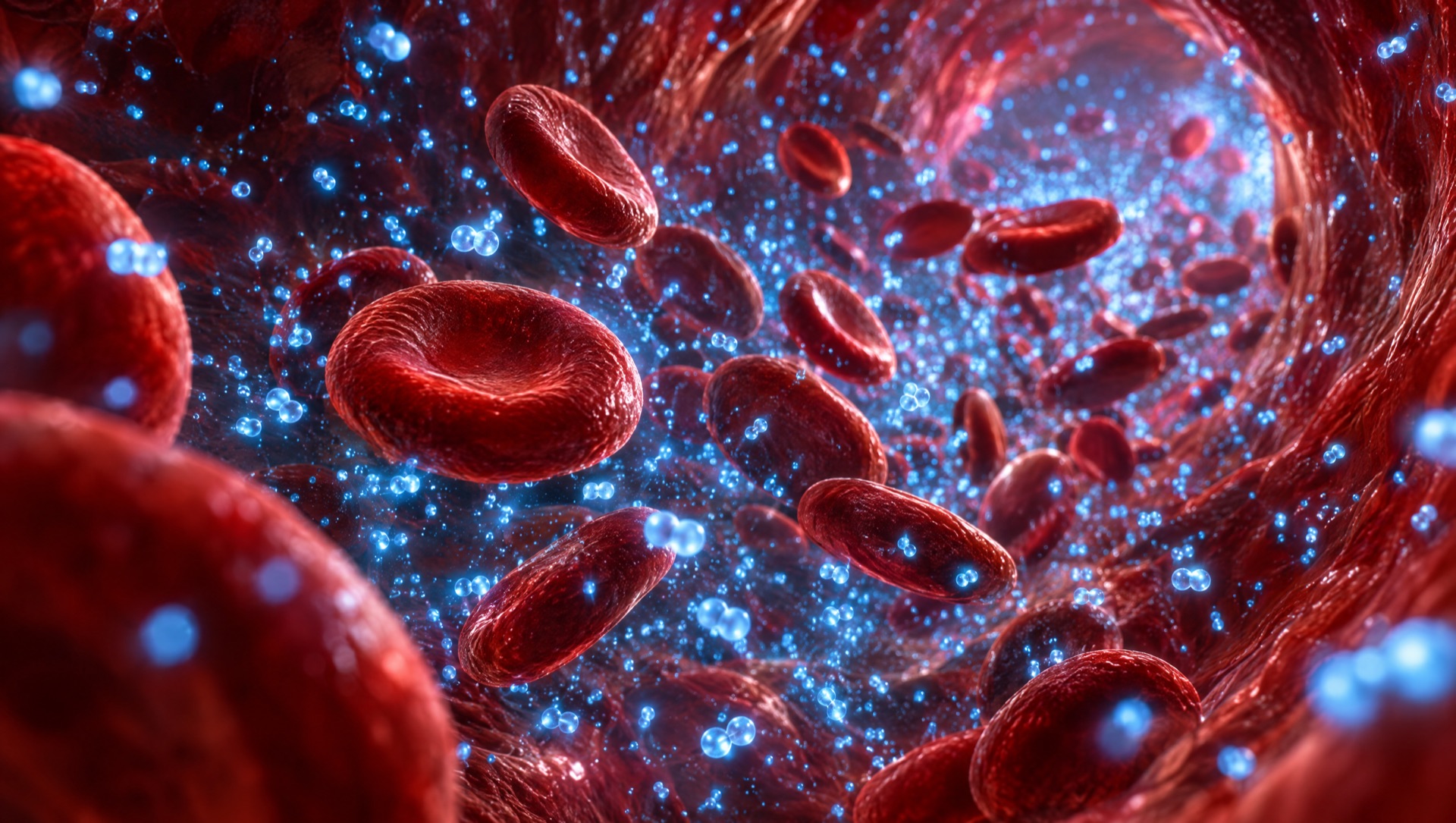
Over a 20–30 minute session, H2 diffuses from the lungs into the bloodstream, building toward saturation.
03 / 03
Carried by the blood, hydrogen reaches tissues throughout the body — including the brain — and is gently exhaled afterward.
Session overview
Breathe
Saturate
Circulate
Safety first. A 2026 report from Japan documented incidents involving high-concentration hydrogen inhalers and recommends low-concentration hydrogen therapy. Our research protocols use low-concentration systems only.
Ichikawa et al., International Journal of Risk & Safety in Medicine, 2026
Brain & nervous system research
From animal models to randomized human trials, a growing body of research has examined hydrogen's effects on the brain and nervous system.
Animal · Stroke model
Ohsawa et al.
Inhaled H2 reduced brain injury in a rat model of stroke (ischemia-reperfusion) by selectively neutralizing cytotoxic radicals.
Animal · Parkinson's
Fujita et al.
Hydrogen in drinking water reduced the loss of dopamine-producing neurons in a mouse model of Parkinson's disease.
Human · Parkinson's
Yoritaka et al.
In a 48-week pilot double-blind trial, Parkinson's patients drinking hydrogen water showed improved total UPDRS scores versus placebo. A larger 2018 multicenter follow-up found no significant difference — underscoring the need for further study.
Human · Cognition
Nishimaki et al.
In a one-year randomized trial in mild cognitive impairment, hydrogen water showed no overall difference, but APOE4 carriers showed improved cognitive scores — a signal worth investigating.
Human · Stroke
Ono et al.
A randomized study of H2 inhalation in acute cerebral infarction reported it was safe and associated with signs of neuroprotection.
Human · RCT · Brain injury
Tamura et al.
After cardiac arrest, patients inhaling 2% H2 for 18 hours had higher 90-day survival (85% vs 61%) and were more likely to recover with no symptoms (46% vs 21%). The primary endpoint did not reach significance; the trial stopped early due to COVID-19.
Mechanism
Negishi et al.
Identified the mitochondrial Rieske iron-sulfur protein as a primary target of molecular hydrogen.
Mixed results are part of science — which is why we're building rigorous, combined-protocol research. Browse 3,000+ studies at h2research.org ↗
The big idea
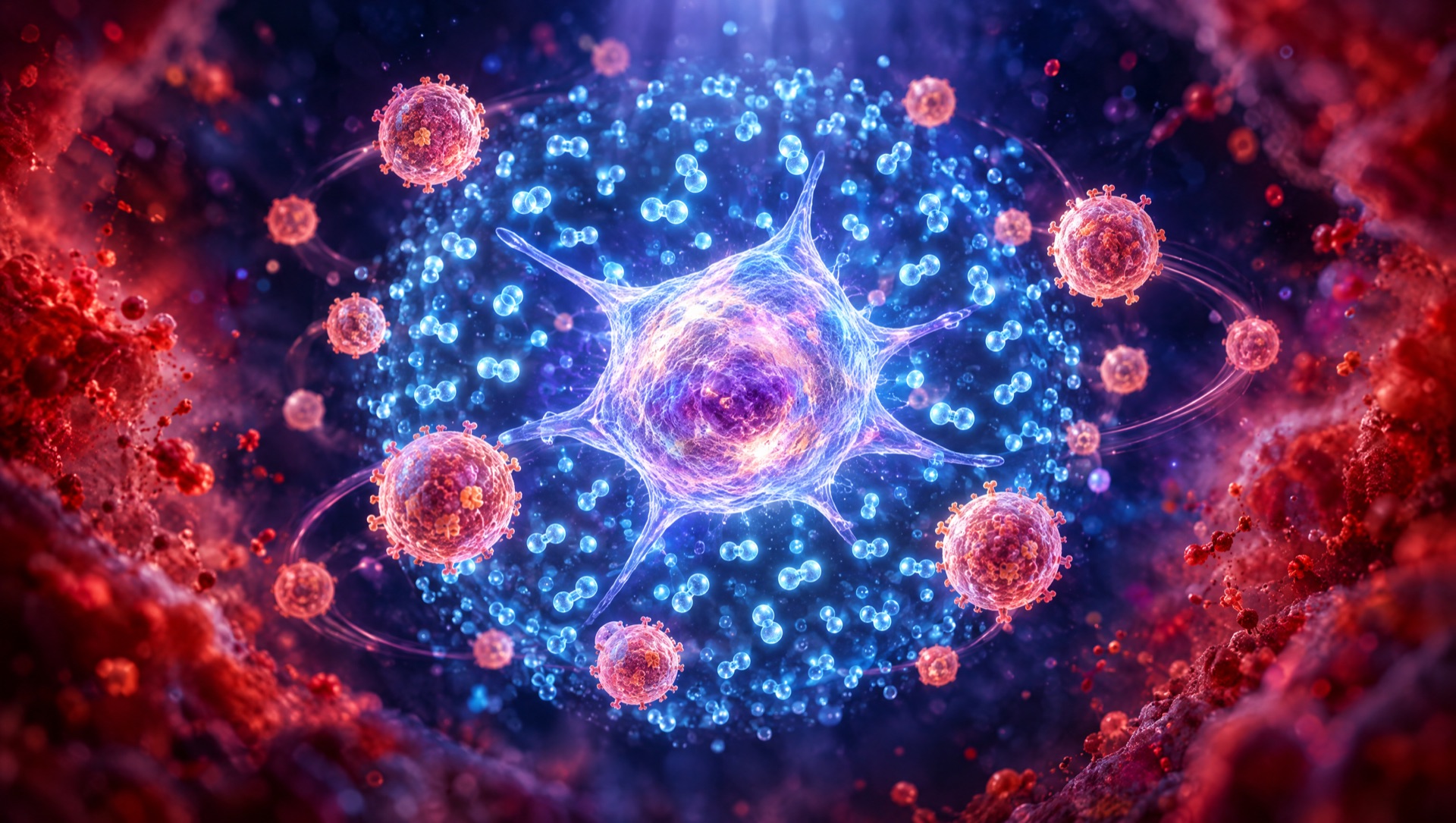
Stem cells and exosomes deliver regenerative signals. But inflamed, oxidatively stressed tissue is a hostile environment for those signals to work in. Our central research question: can hydrogen help prepare the terrain?
01
H2 inhalation may help calm oxidative stress and inflammation in tissues, including the brain.
02
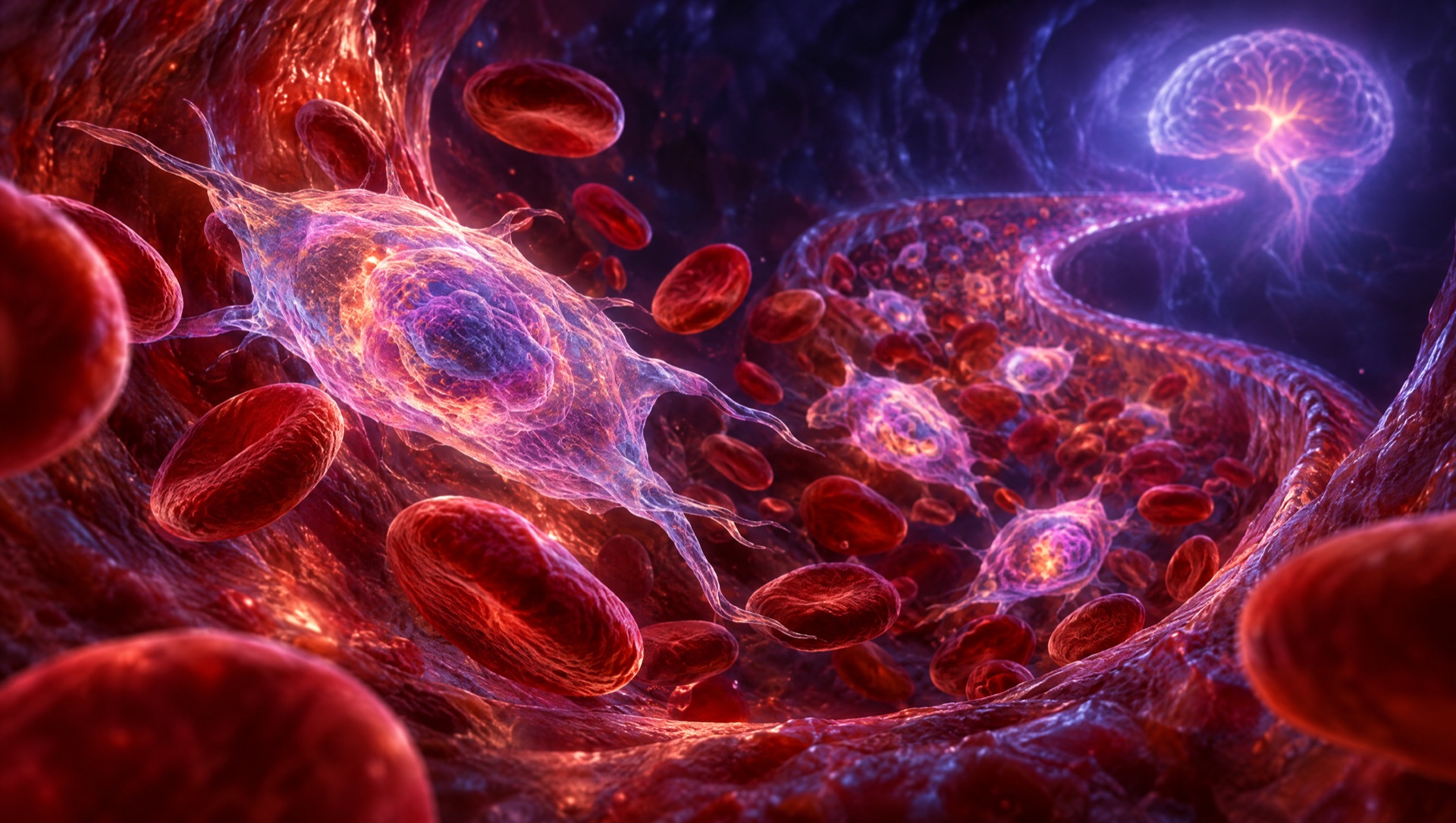
Systemic stem cells and exosomes provide paracrine signals associated with repair and immune balance.
03
Neural-differentiated exosomes applied intranasally via SphenoCath® focus on the brain directly.
Conceptual framework
For research and education — not a treatment recommendation.
01
Blood work, inflammatory and oxidative-stress markers, cognitive scoring.
02
Low-concentration hydrogen via nasal cannula.
03
Stem cells and exosomes, administered by a licensed physician.
04
Applied via SphenoCath® along the nose-to-brain pathway.
05
Repeat testing to measure change over time.
Get involved
Researchers, physicians, clinics and institutions — help us build the evidence on hydrogen and biologics.
Sources